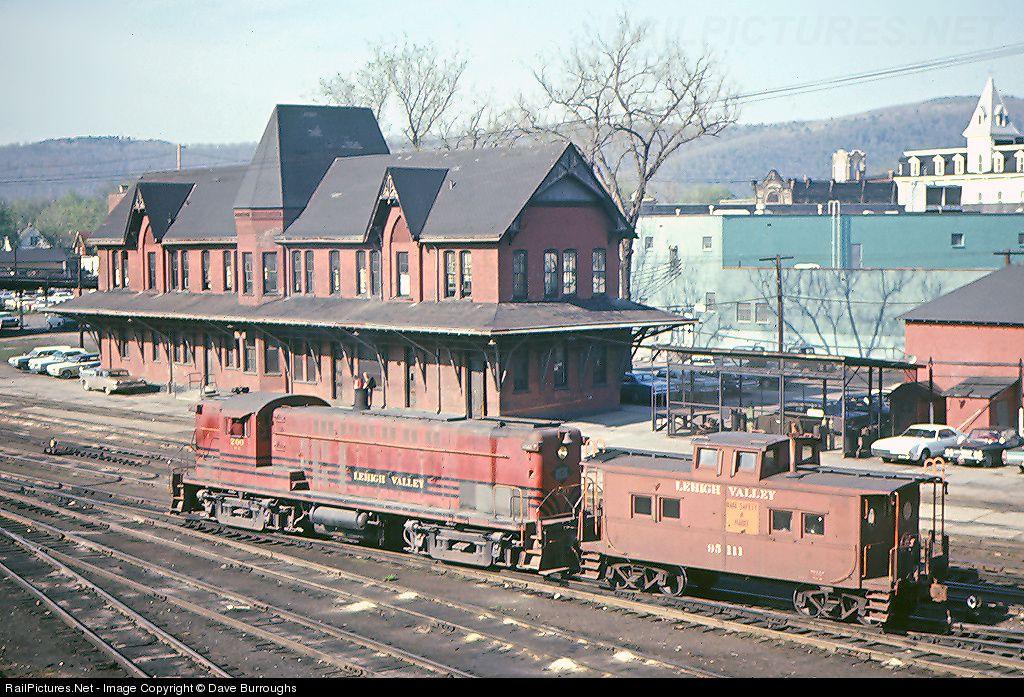
The Lehigh Valley Railroad was born from coal, named for coal, and ultimately undone by the decline of coal. For more than a century, its trains connected the anthracite mines of northeastern Pennsylvania to the factories, power plants, and homes of the Eastern Seaboard, carrying the fuel that powered American industry and earning the railroad its evocative nickname: the Route of the Black Diamond.
Asa Packers Vision
The railroad was incorporated on September 20, 1847, as the Delaware, Lehigh, Schuylkill and Susquehanna Railroad, a name as unwieldy as the terrain it would cross. On January 7, 1853, the name was changed to the more manageable Lehigh Valley Railroad. Its founder was Asa Packer, a self-made businessman who had risen from poverty in Connecticut to become a canal boat builder and operator in the Lehigh Valley.
Packer saw what others had missed: while the canals could move coal, they were slow, seasonal, and limited in capacity. Railroads were the future. Construction began in earnest in 1853, and the line opened between Easton and Allentown on June 11, 1855, with the Allentown-to-Mauch Chunk section following on September 12.
The Coal Road
Within two years of beginning operations, the Lehigh Valley Railroad was carrying over 400,000 tons of coal annually. The 1860s and 1870s saw enormous expansion, with lines extending into New Jersey and north to Hazelton and eventually to Buffalo, New York. The railroad became the primary artery for moving anthracite coal from the mines to the markets.
The nickname "Route of the Black Diamond" captured the essence of the enterprise. "Black diamond" was the slang term for anthracite: the hardest, purest form of coal, prized for its clean burn and high heat output. The Lehigh Valley Railroad carried more of it than any other line, and the black diamonds made fortunes for everyone from mine owners to railroad shareholders.
Asa Packers Legacy
The railroad made Asa Packer one of the wealthiest men in America. Rather than simply accumulate his fortune, Packer channeled it into the community. In 1865, he donated $500,000 and 57 acres of land on South Mountain in Bethlehem to establish Lehigh University: then the largest gift ever made to an educational institution. The railroad fortune that began with coal built an institution of learning that endures to this day.
Decline and Absorption
The twentieth century was not kind to the Lehigh Valley Railroad. The decline of anthracite coal as a heating fuel, competition from trucking, and the general crisis of the American railroad industry all took their toll. Despite attempts at diversification and modernization, the railroad could not escape the economic forces that were reshaping American transportation.
On March 31, 1976, the Lehigh Valley Railroad was absorbed into Conrail, the Consolidated Rail Corporation created by the federal government to salvage the bankrupt railroads of the Northeast. The independent Lehigh Valley Railroad ceased to exist after 129 years of operation.
Today, freight trains still run on many of the routes that Asa Packers railroad laid down in the 1850s, and the old right-of-way has been converted to trails in many places. But the distinctive Lehigh Valley Railroad name and its black diamond logo belong to history, symbols of an era when coal was king and the railroads that carried it shaped the destiny of a region.