"Well were living here in Allentown, and theyre closing all the factories down." With those words, Billy Joel gave the Lehigh Valley something no amount of marketing could buy: a place in the national consciousness. Whether the region wanted that particular kind of fame is another question entirely.
A Song About Somewhere Else
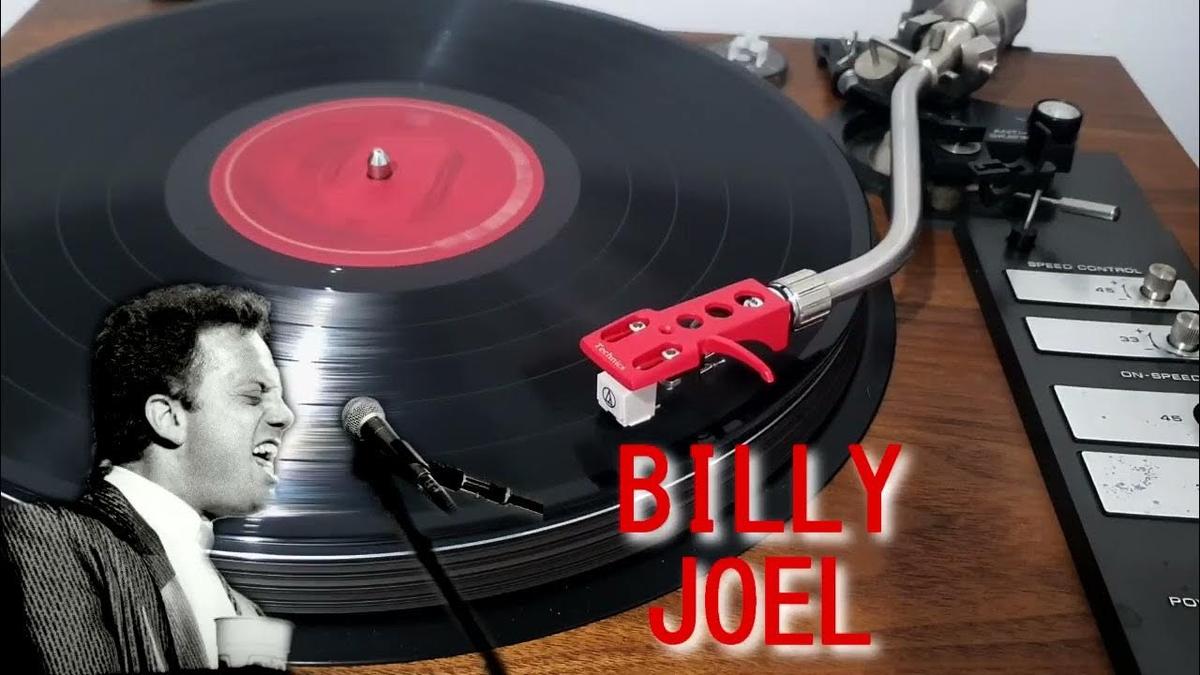
"Allentown" was the lead track on Billy Joels 1982 album The Nylon Curtain, released as the albums second single. But here is the irony: the song was not originally about Allentown at all. Joel wrote it after reading about the decline of the steel industry in the Lehigh Valley, but he first titled it "Levittown", after the Long Island town where he grew up.
"Levittown" didnt work. Joel changed the title to "Bethlehem," which made more geographic sense given the songs steel industry subject matter. But "Bethlehem" carried too much religious connotation, and the word didnt fit the melody as well. "Allentown" had the right rhythm, the right number of syllables, and better rhyming potential. And so a song about Bethlehem Steels decline became forever associated with the city ten miles to the west.
What the Song Says
The lyrics paint a picture of working-class despair: factories closing, dreams deferred, a generation told that their hard work would pay off discovering that the rules had changed. The song references the decline of the steel industry, the broken promises of post-war prosperity, and the helpless anger of communities watching their economic foundations crumble.
Joel wrote the song with genuine empathy. He had not grown up wealthy, and the plight of displaced industrial workers resonated with him. The songs power lies not in its specificity to one city but in its universality, it captured the experience of deindustrialization that was devastating communities across the American Rust Belt.
Mixed Reception at Home
In the Lehigh Valley, "Allentown" met with profoundly mixed feelings. Some residents criticized it as degrading, arguing that it reduced a complex community to a handful of working-class stereotypes. Others felt the song exaggerated the regions problems or presented a one-dimensional portrait that ignored its strengths.
But many embraced it. When Joel visited the area after the song became a hit, the mayor of Allentown awarded him the key to the city, praising it as "a gritty song about a gritty city." The song gave voice to real pain that many in the region were experiencing, and for workers who had lost their jobs and their sense of purpose, Joels lyrics validated their experience in a way that no news article or government report could.
The Song Endures
"Allentown" reached No. 17 on the Billboard Hot 100, spending six consecutive weeks at that position, and was certified gold. More importantly, it entered the permanent cultural vocabulary. To this day, mention "Allentown" to anyone outside the Lehigh Valley and they are likely to start humming Billy Joel.
Four decades later, the song remains both an anthem of blue-collar resilience and a complicated piece of regional identity. The Lehigh Valley has changed enormously since 1982: the economy has diversified, new industries have arrived, and the region has grown and evolved in ways Joel could not have imagined. But the song endures as a reminder of a painful era and a testament to the communities that survived it.
Perhaps the truest thing about "Allentown" is that it captures a moment, not a permanent condition. The factories did close. The jobs did disappear. But the people stayed, adapted, and rebuilt. Billy Joel told the story of the valleys darkest chapter, but the valley itself has been writing the chapters that come after.