For the first time in more than seven years, Ed Pawlowski is a free man in the Lehigh Valley, and the question moving through Allentown's political corridors is no longer whether the former mayor has a future, but how large it might be.
Pawlowski, who ran Pennsylvania's third-largest city for a dozen years before a federal pay-to-play conviction ended his career, walked out of prison on Thursday, June 25, 2026, and into a Philadelphia halfway house. Under the terms of his supervised transition, he cannot yet return home to his family full time; he needs approved passes to work, attend church, buy groceries and see a doctor, and he must line up steady employment in the Lehigh Valley before he can come back for good. Friends say that search is already underway, and that more than one promising offer is on the table for a man who spent 12 years running a city.
Asked about what comes next, Pawlowski offered a line that has since rippled across the region: "With God's help, the best is yet to come." To his detractors, it was the same boundless confidence that helped land him in a cell. To a surprising number of Allentonians, it sounded like the opening note of a comeback.
From Chicago to the Lehigh Valley
Pawlowski did not grow up in Allentown. A product of Chicago, he studied at the University of Illinois at Chicago and cut his teeth in urban policy as executive director of Windows of Opportunity, a nonprofit tied to the Chicago Housing Authority, where he oversaw self-sufficiency and development programs in some of the city's toughest neighborhoods.
In 1996 he brought that work east, taking over the Lehigh Housing Development Corporation (later the Alliance for Building Communities), a regional community-development nonprofit. His reputation as a builder eventually earned him an appointment as Allentown's Director of Community and Economic Development under then-Mayor Roy Afflerbach. It was the perch from which he learned the machinery of City Hall, and the launching pad for his own run at the top job.
The Rise: Building a New Allentown
Pawlowski was elected mayor in 2005 and took office in 2006, and for the better part of a decade he was arguably the most consequential figure in the Lehigh Valley. His signature achievement was the Neighborhood Improvement Zone, an unusual state tax district that captured revenue to underwrite downtown redevelopment. The NIZ funded the PPL Center, the downtown arena that opened in 2014 as home to the Lehigh Valley Phantoms, and it triggered hundreds of millions of dollars in new office towers, apartments, restaurants and hotels along a Hamilton Street that had spent decades in decline.
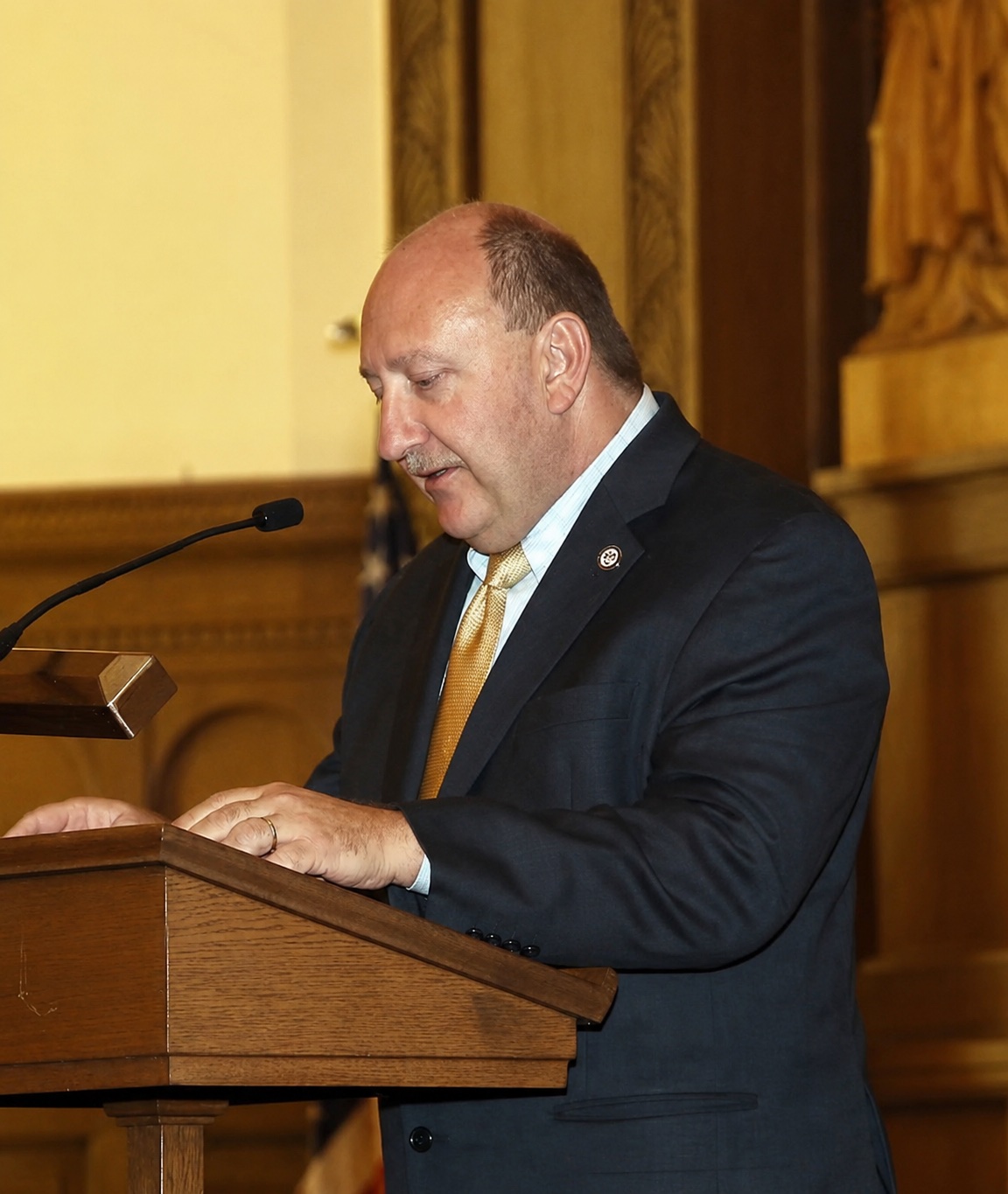
For a time, Pawlowski was the face of that revival: a hard-charging, ambitious mayor who won re-election comfortably and began to look beyond Allentown. He explored a run for governor and flirted with a bid for the U.S. Senate, convinced that the story of Allentown's comeback could carry him to statewide office. Those ambitions, prosecutors would later argue, were exactly what led him astray.
The Fall: The Pay-to-Play Case
In July 2015, FBI agents descended on Allentown City Hall, hauling out boxes of records in a raid that stunned the region and made clear that Pawlowski's operation was under serious federal scrutiny. The investigation centered on a pay-to-play scheme: the allegation that city contracts and legal work were steered to vendors and firms in exchange for campaign contributions to fuel the mayor's political rise.
In 2017, federal prosecutors charged Pawlowski with more than 50 counts, including bribery, conspiracy, fraud, extortion and lying to the FBI. Remarkably, voters returned him to office anyway that November, handing an indicted mayor a fourth term. The reprieve was short-lived. In March 2018, a jury convicted him on 47 of the counts against him, and he resigned soon after.
He did not fall alone. Allentown attorney Scott Allinson, a partner at the firm then known as Norris, McLaughlin & Marcus, was tried as a co-conspirator in the same scheme. Prosecutors played jurors recorded conversations in which Allinson pitched an arrangement to funnel campaign donations to Pawlowski in exchange for city legal work, work for which he stood to receive personal billing credit. On March 1, 2018, the same jury convicted Allinson of bribery and conspiracy, and he was later sentenced to 27 months in federal prison. His conviction underscored what prosecutors called the transactional heart of Pawlowski's City Hall: access and contracts for cash.
In October 2018, a federal judge sentenced Pawlowski to 15 years, one of the stiffest public-corruption sentences the region had ever seen, and a punishment his defenders considered wildly out of proportion to the crimes.
Seven Years, and a Way Out
Pawlowski served roughly seven years of that term. By the accounts of those who kept in touch, he filled the time deliberately: teaching GED and history classes to fellow inmates, leading Bible study and training service dogs. Supporters wrote letters and visited, and a small but persistent circle argued publicly that he had been over-sentenced and deserved an early release. This spring, that campaign finally bore fruit, with advocates targeting a June release date that ultimately came to pass.
Now he is back, not yet home, but back in the Valley he reshaped, navigating the halfway-house rules that govern the final stretch of his sentence.
'The Best Is Yet to Come'?
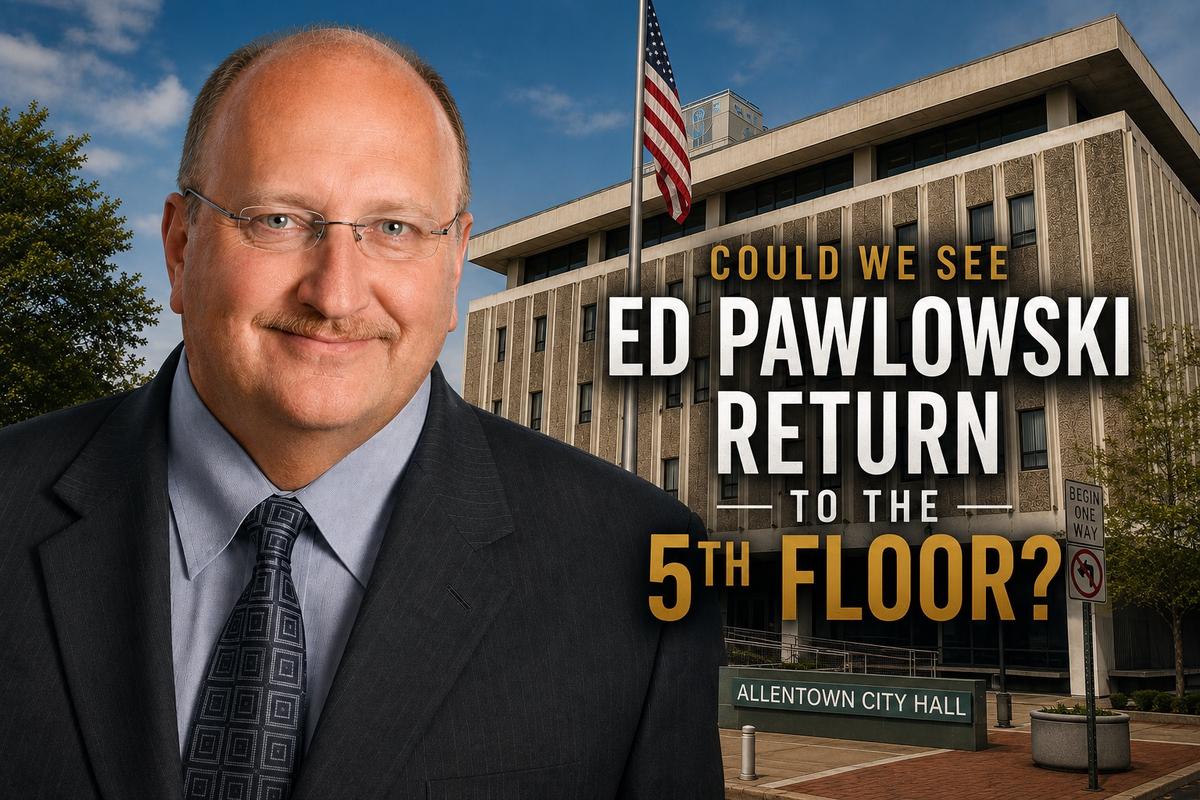
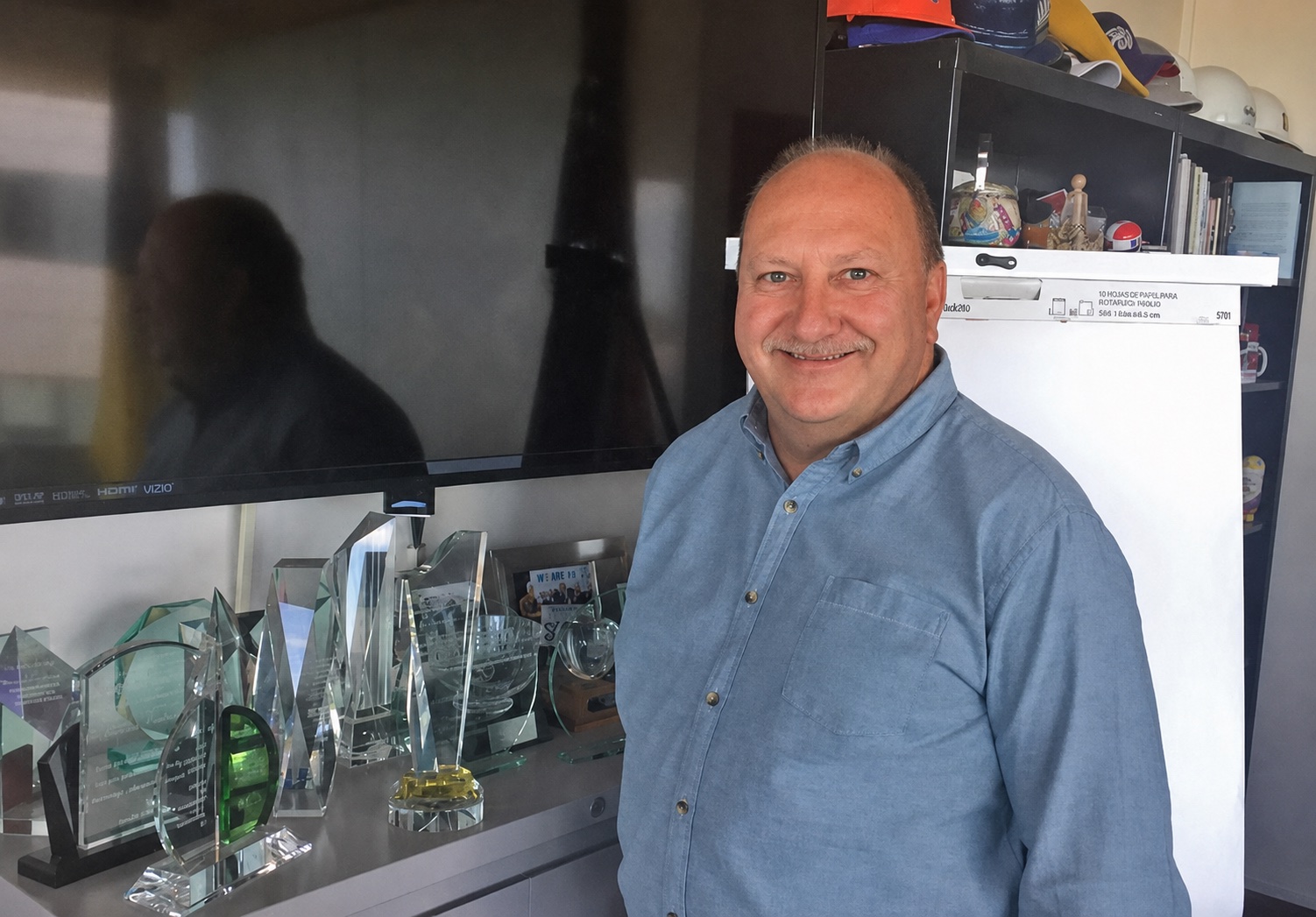
The most intriguing question is what a 60-something former mayor does with a second act. Publicly, the talk from Pawlowski's camp is about work, faith and family, not politics. Privately, the chatter is louder. Insiders describe a genuine groundswell of support for his return to public life, and, more provocatively, for a return to the fifth floor of City Hall to once again steer Allentown's growth.
It is not a fanciful idea in a city with Allentown's memory. Pawlowski's name remains fixed to the arena, the towers and the tax district that changed the skyline, and to a stretch of the 2010s when Allentown felt like it was going somewhere. For a bloc of residents, the corruption case was a footnote to a builder's record; for others, it was a betrayal that cannot be undone by nostalgia. Any comeback would run headlong into that divide, and into the legal and practical questions that follow a felony conviction of this magnitude.
For now, Pawlowski is focused on the mundane business of rebuilding an ordinary life: a job, a schedule, a path back home. But few figures in recent Lehigh Valley history have proven as difficult to count out. Whether the region is ready for it or not, Ed Pawlowski is once again a name to watch, and, if he has his way, the best is yet to come.
At a Glance
- Ed Pawlowski walked out of federal prison on Thursday, June 25, 2026, into a Philadelphia halfway house, after serving roughly seven years.
- He must line up steady employment in the Lehigh Valley before he can return home for good, and currently needs approved passes to work, attend church, buy groceries and see a doctor.
- Asked what comes next, he said: "With God's help, the best is yet to come."
- A product of Chicago, he studied at the University of Illinois at Chicago and ran Windows of Opportunity, a nonprofit tied to the Chicago Housing Authority, before moving east in 1996 to lead the Lehigh Housing Development Corporation.
- He was elected mayor in 2005 and took office in 2006. His signature achievement was the Neighborhood Improvement Zone, which funded the PPL Center and triggered hundreds of millions in Hamilton Street development.
- FBI agents raided Allentown City Hall in July 2015. Prosecutors charged him with more than 50 counts in 2017, voters returned him to office that November, and a jury convicted him on 47 counts in March 2018.
- A federal judge sentenced him to 15 years in October 2018. Allentown attorney Scott Allinson was convicted in the same scheme and sentenced to 27 months.