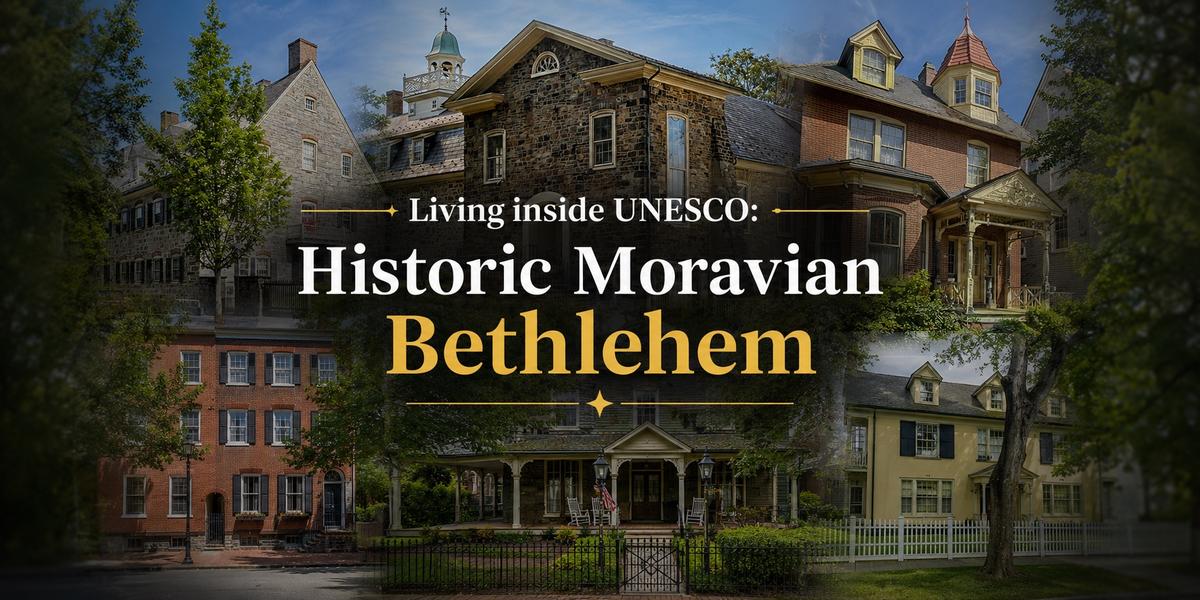
In July 2024, Historic Moravian Bethlehem was inscribed on the UNESCO World Heritage List, joining Christiansfeld in Denmark, Herrnhut in Germany and Gracehill in Northern Ireland as a single site called Moravian Church Settlements. It became the 26th World Heritage site in the United States. The formal ceremony followed that October.
Since then a reasonable question has been going around Bethlehem, usually asked by someone who owns a house near Church Street or is thinking about buying one: what does this actually mean for me? Can I still replace my windows? Does the United Nations have a say in my roof now? Is my house worth more?
The answers are, in order: yes, no, and nobody can tell you yet. Here is the longer version, because the details are genuinely surprising.
You cannot buy a house inside the World Heritage site
Start with what was actually inscribed, because almost everyone gets this wrong. The Bethlehem property covers 3.96 hectares, a little under ten acres. Inside that boundary are nine buildings, four ruins and God's Acre, the Moravian cemetery.
The buildings are the 1741 Gemeinhaus, the 1744 First Single Brethren's House, the 1746 Bell House, the 1748 Second Single Brethren's House, the 1751 Old Chapel, the 1752 and 1772 Single Sisters' Houses, the 1768 Widows' House and the 1803 Central Moravian Church, along with the Colonial Industrial Quarter, the 1761 Tannery and the 1762 Waterworks.
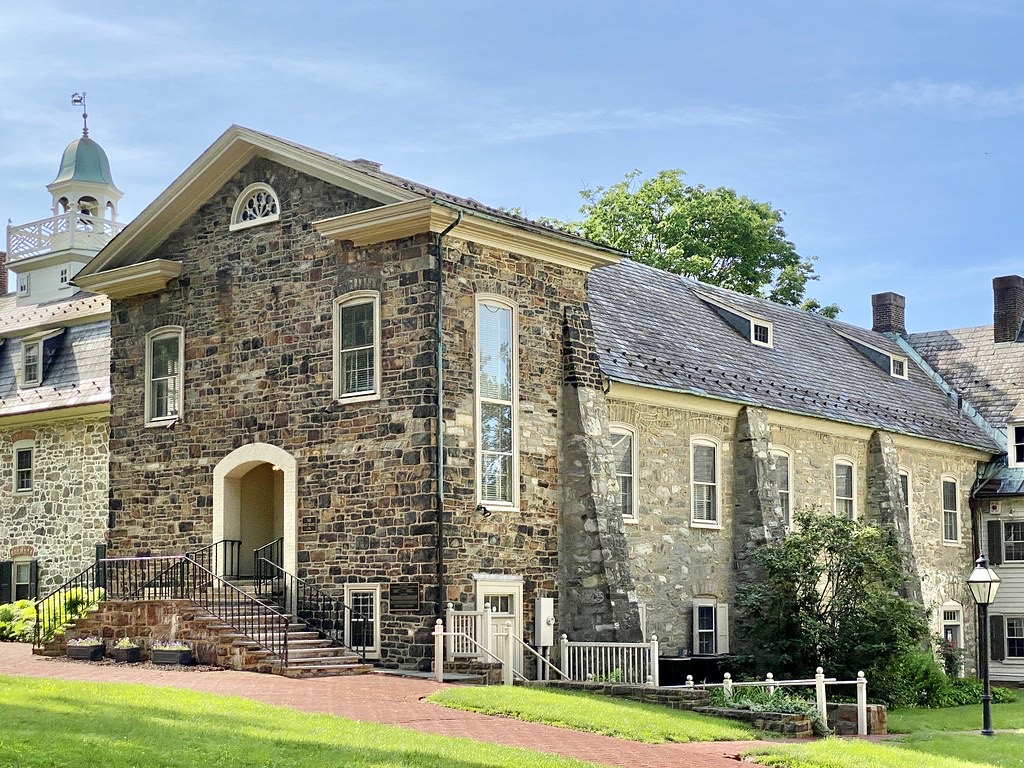
Read that list again and notice what is missing. Not one private home. Every structure inside the World Heritage boundary is a church building, a museum building or a ruin, and the owners are the Bethlehem Area Moravians, the City of Bethlehem and Moravian University, with Central Moravian Church and Historic Bethlehem Museums & Sites leasing portions.
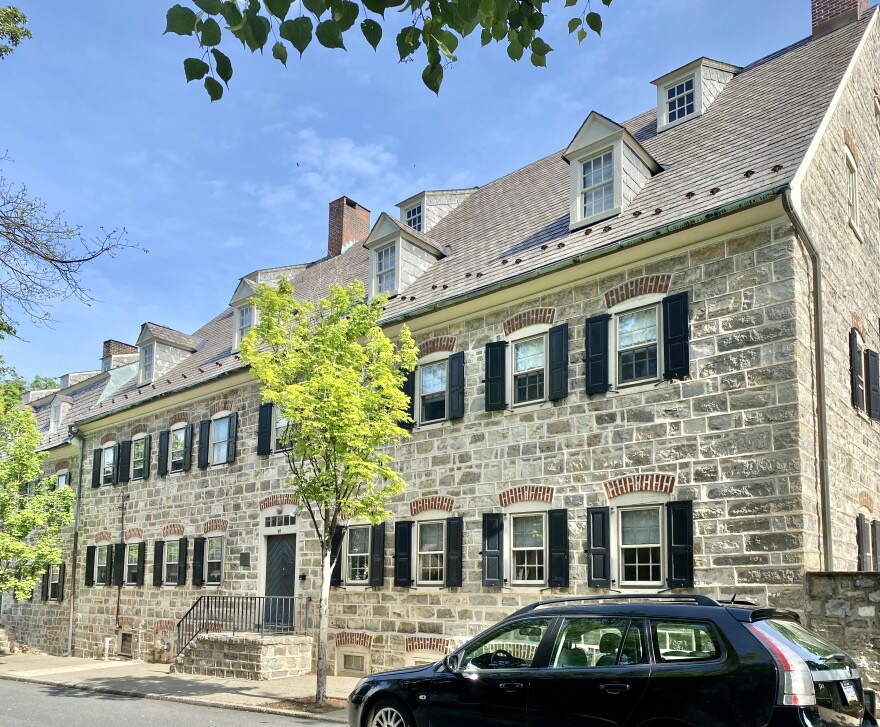
So nobody lives inside the World Heritage site, and nobody is going to. Those buildings are not going to come on the market in your lifetime or anyone else's.
What you can buy is the buffer zone
Wrapped around that ten-acre core is a buffer zone of 60.88 hectares, roughly 150 acres. It is more than fifteen times the size of the site it protects, and unlike the core it is full of ordinary privately owned houses that change hands regularly.
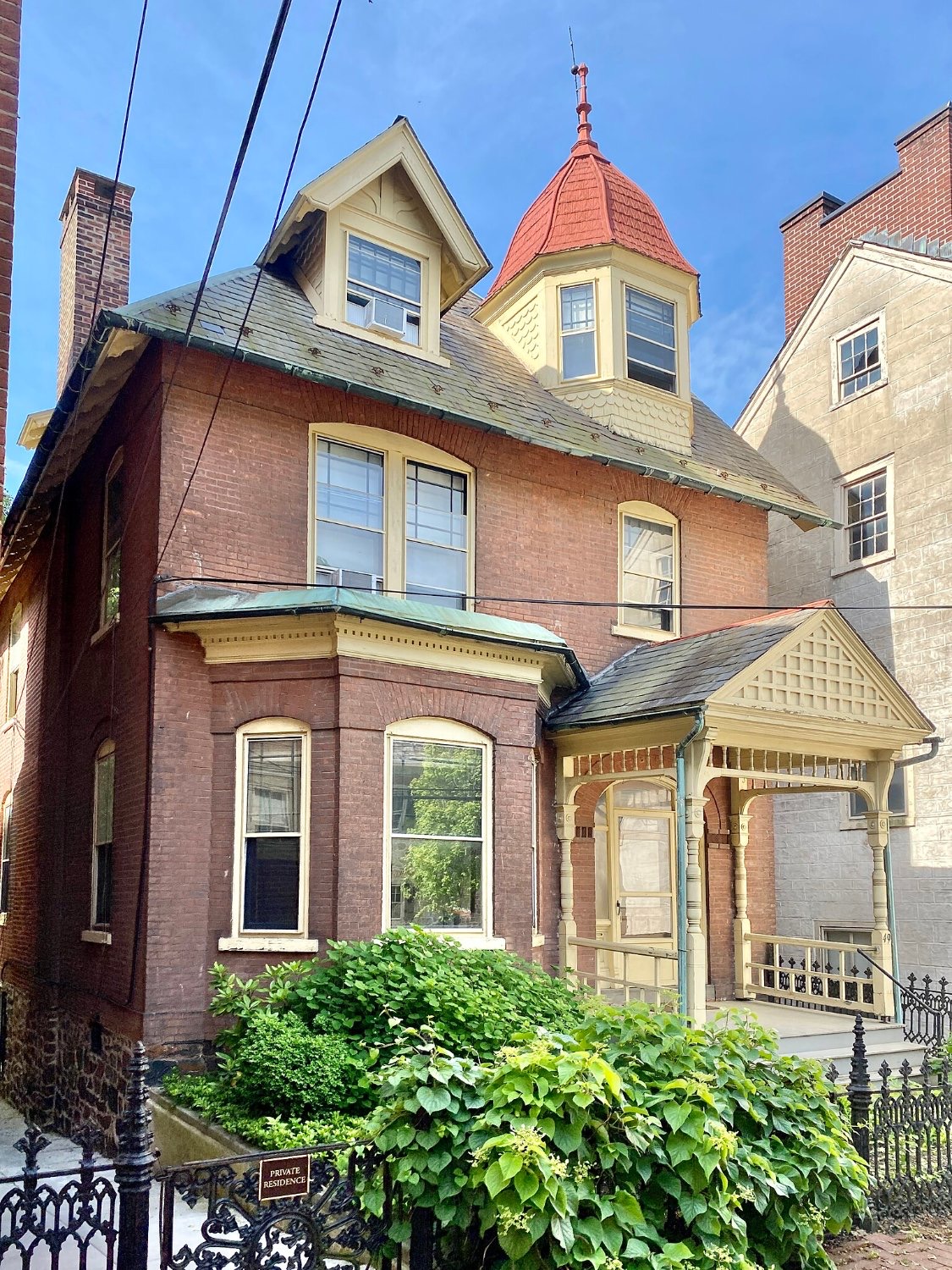
That is the real answer to "living inside UNESCO." You are not living inside it. You are living next to it, in a ring of streets whose appearance is considered part of the setting that gives the inscribed buildings their meaning.
UNESCO did not add a single rule
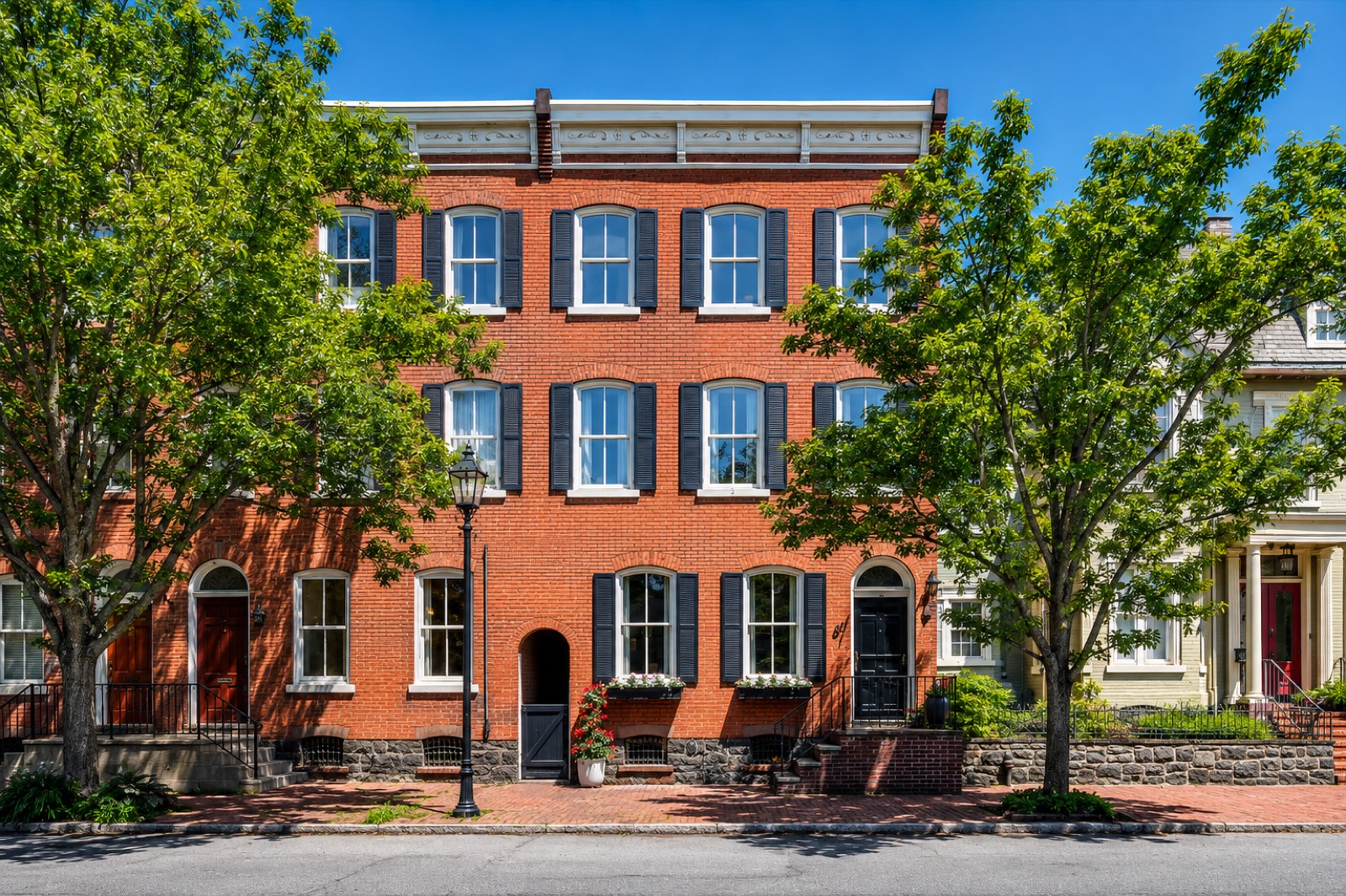
This is the part that surprises people, and it is worth stating plainly. World Heritage listing in the United States creates no new restriction on private property. UNESCO does not gain authority over your house. Neither does the federal government.
The federal preservation framework, the National Historic Preservation Act of 1966, reaches only projects that involve federal money or federal permits. If you are re-roofing your own house with your own money, none of that applies to you. Everything that actually governs what a private owner may do is local ordinance.
Which brings us to the rules that do apply, and that have applied for a very long time.
The rules are 63 years older than the designation
Pennsylvania passed its Historic District Act in June 1961. Bethlehem moved almost immediately, enacting Ordinance No. 1728 to create the Bethlehem Historic District and establish the Historic and Architectural Review Board. It was among the first municipalities in the state to do it.
So if you own a house in the district, your renovation has needed board review since the Kennedy administration. The 2024 inscription changed exactly nothing about that process. It arrived and found the rules already in place, which is largely why Bethlehem was a credible candidate in the first place.
What HARB actually reviews
Here is where it gets concrete. HARB reviews all exterior changes to buildings in the district that are visible from a public sidewalk or alley. That includes new windows, new doors, roofing materials, exterior lighting, fencing, changes to any architectural feature, and paint color.
Paint color. If you want to repaint your trim a different shade, that is a reviewable change.
What is not reviewable: repainting in the same color, and repair that changes nothing. Fix a rotted sill with a matching sill and you are simply doing maintenance.
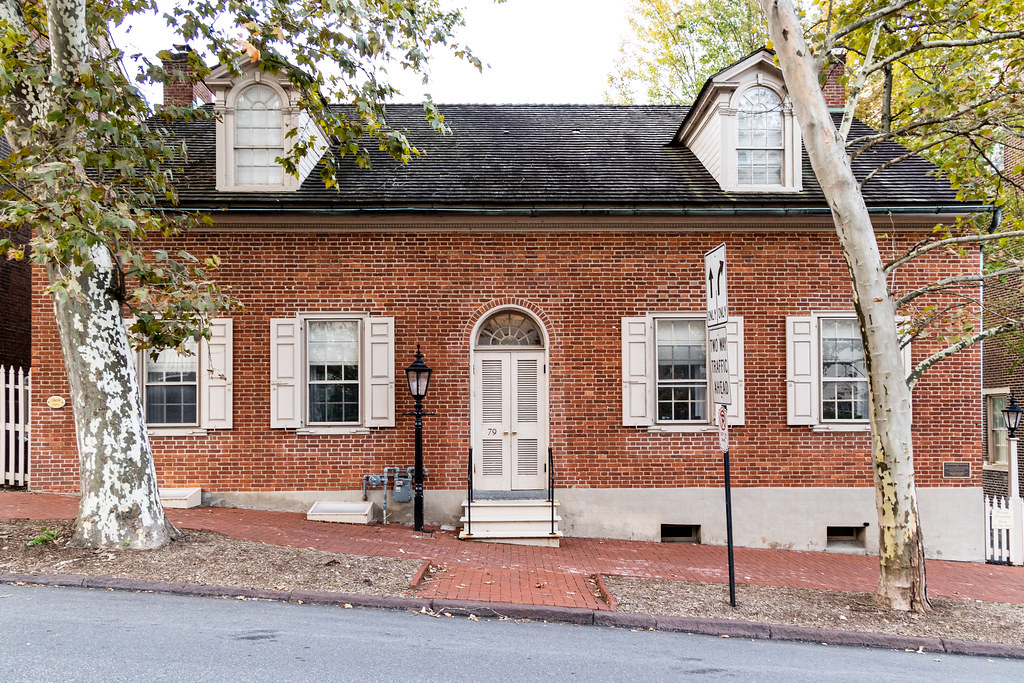
The process runs like this. You apply, HARB reviews and issues a recommendation, and City Council grants the Certificate of Appropriateness. You need that certificate in hand before the city will issue a building permit. HARB meets monthly, on the first Wednesday, and applications are due weeks in advance, so a project that needs review is measured in months rather than weeks. Plan the calendar accordingly.
Three districts, two different boards
Worth knowing before you make an offer, because the jurisdiction depends on which side of the river you are on.
The Bethlehem Historic District, on the north side, is the HARB district and the one that surrounds the World Heritage core. South Bethlehem Historic Conservation District and the Mount Airy Neighborhood District in west Bethlehem are both governed instead by the Historic Conservation Commission, which meets on the third Monday and carries its own guidelines, including storefront and sign standards in South Bethlehem.
All three require a Certificate of Appropriateness before a building permit. The board, the meeting date and the deadline differ. Ask which district a property sits in before you fall in love with a plan to replace the windows.
So is it worth more?
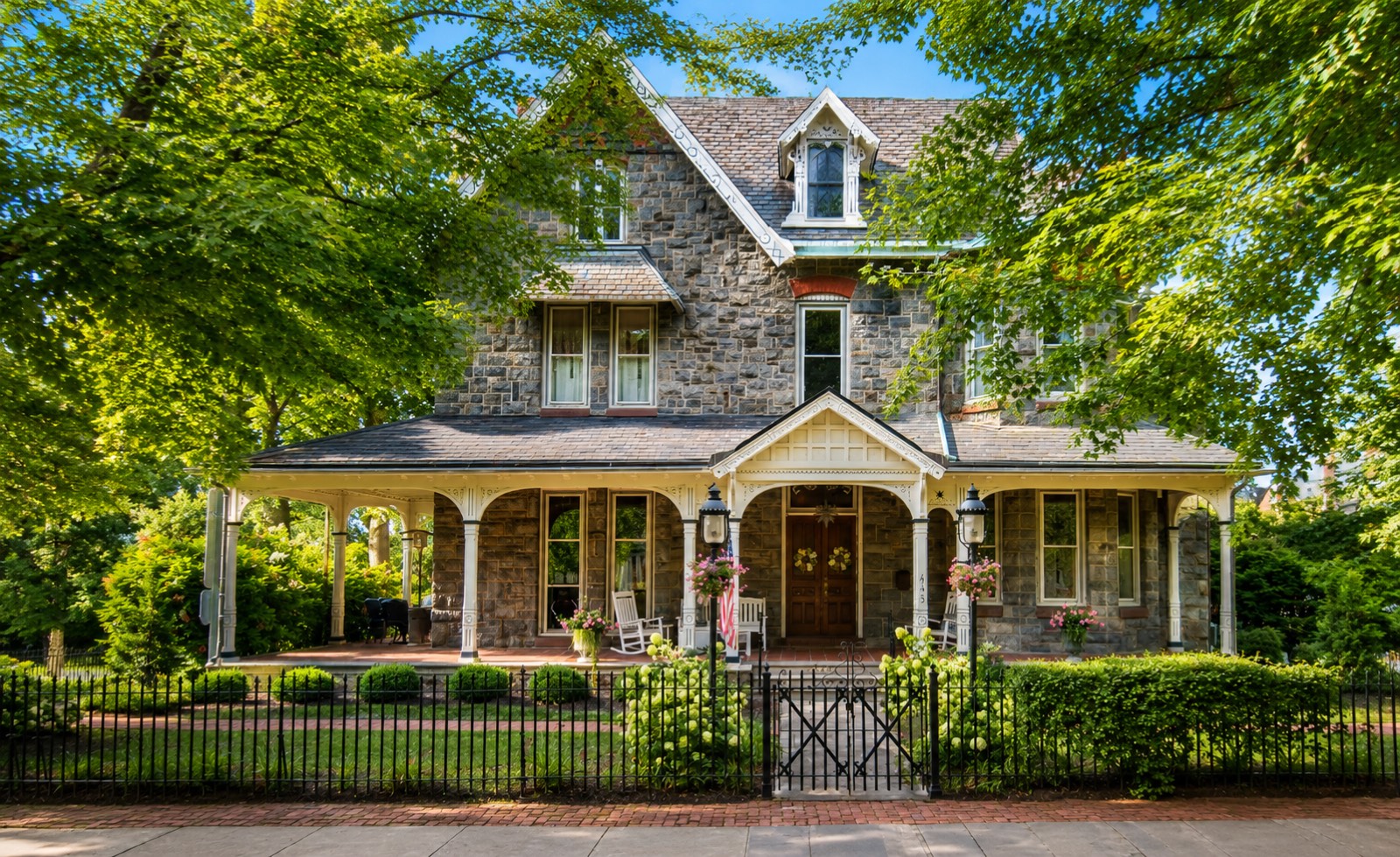
Honest answer: it is too early, and anyone quoting you a number is reading noise.
The neighborhood-level figures being passed around are unusable. One historic district in Bethlehem shows a median sale price up 144 percent year over year, while another shows a median down 37 percent over an overlapping stretch. Those are not trends. Those are what happens when three or four houses sell in a small area and one of them is unusual. You cannot isolate a UNESCO effect from that kind of sample.
What can be said is broader and duller. Bethlehem's citywide market has been firm, with a median around $370,000 and homes going pending in roughly a week. Whether the designation adds a measurable premium on top will take several years of sales to show, and it will be tangled up with everything else happening in the city.
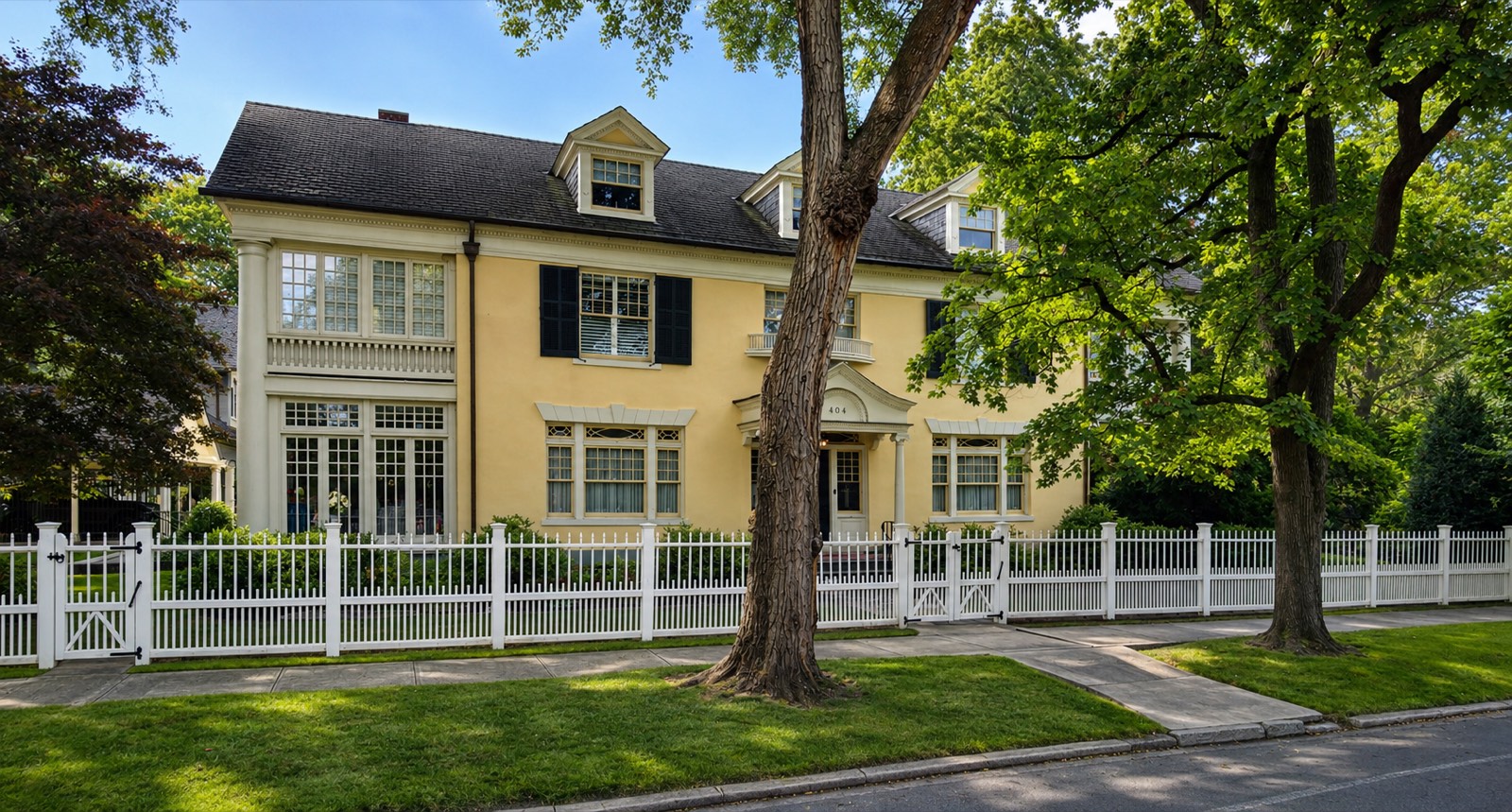
What actually changed
Not the law. Not your permit process. What changed is attention.
A World Heritage inscription is a marketing designation more than a regulatory one, and it works. It puts Bethlehem on lists alongside places people cross oceans for, and it brings visitors who would otherwise never have heard of a Moravian settlement in eastern Pennsylvania. For a homeowner, that shows up as foot traffic, as pressure on parking, as more short-term rental interest on your block, and eventually, maybe, as demand.
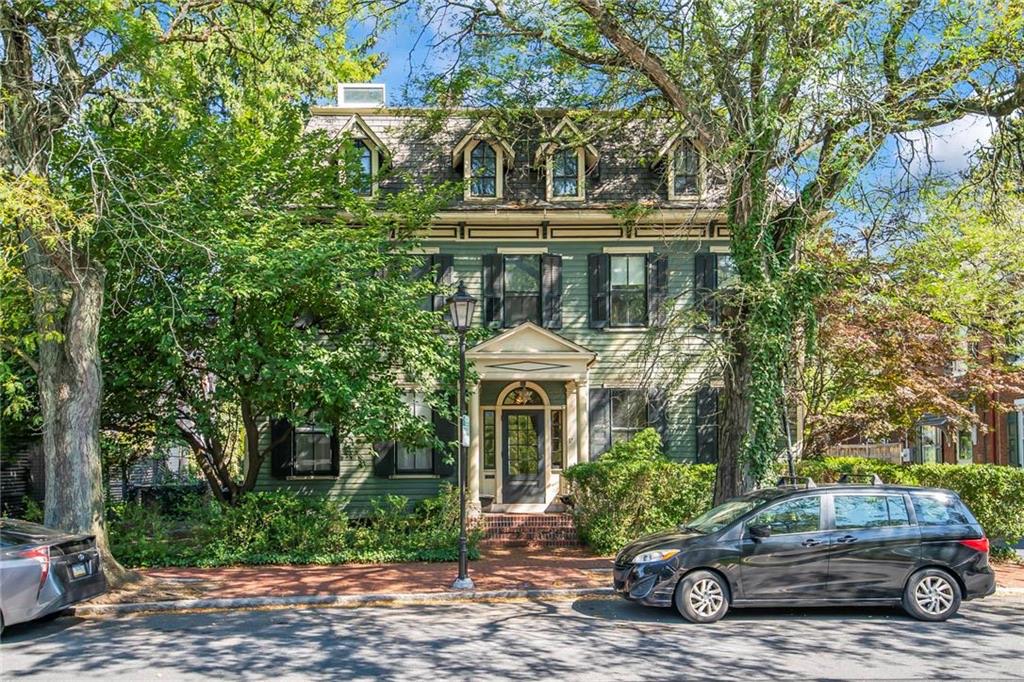
The practical takeaway for a buyer is smaller than the headline suggests and more useful. Ask which district the house is in. Ask whether the previous owner ever got a Certificate of Appropriateness for the work already done, because unpermitted exterior changes become your problem at resale. Budget more time than you think for anything visible from the street. And understand that the reason the neighborhood looks the way it does, the reason it was worth inscribing at all, is the same board that is going to have an opinion about your front door.