Most people don't think of eastern Pennsylvania when they think of wine country. That's their loss. The Lehigh Valley is home to Pennsylvania's first designated wine trail, a federally recognized American Viticultural Area, and a signature grape that has been racking up medals at national and international competitions for decades.
If you haven't explored the Lehigh Valley Wine Trail yet, you are overdue.
Eight Wineries, One Trail
The trail connects eight wineries spread across the gentle hills and farmland west and north of Allentown. Each has its own character, but they share a common thread: a commitment to growing grapes in Lehigh Valley soil and making wine that reflects this specific place.
Vynecrest Winery in Breinigsville is the elder statesman, established in 1974 and housed in a beautifully restored 18th century barn. It is the oldest winery in the Lehigh Valley, and its tasting room feels like stepping back in time. They pour everything from crisp whites to robust reds, and on the last Sunday of each month, you can take a full tour of the property.
Clover Hill Vineyards, also in Breinigsville, started in 1985 and has grown into Pennsylvania's largest wine producer, turning out roughly 80,000 gallons a year. Now run by siblings John Skrip III and Kari Skrip, the second generation of the founding family, Clover Hill is open seven days a week and draws crowds for its live music events and scenic grounds.
The Chambourcin Story
Every great wine region has a signature grape. Napa has Cabernet Sauvignon. Burgundy has Pinot Noir. The Lehigh Valley has Chambourcin.
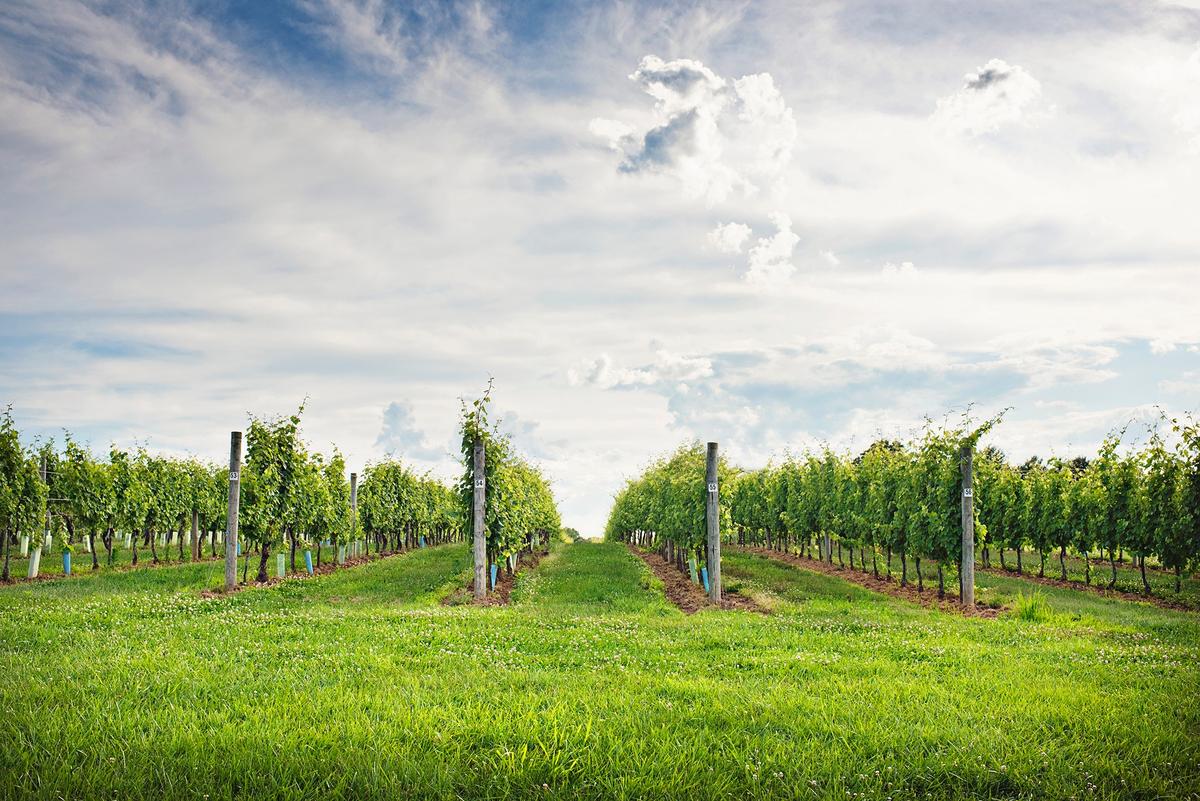
This French American hybrid grape thrives in the Valley's climate and limestone rich soil. It is remarkably versatile. Winemakers here craft Chambourcin into dry reds, sweet reds, sparkling wines, and port style desserts. The grape has earned Lehigh Valley wineries nearly fifty national and international medals, earning it the nickname "the Jewel of the Valley."
What makes Chambourcin special is that it tastes like here. The same way a Willamette Valley Pinot Noir carries the essence of Oregon rain and volcanic soil, a Lehigh Valley Chambourcin carries the mineral character of our limestone bedrock and the warmth of our continental summers. It is a grape that could only have become itself in this particular place.
Beyond the Big Names
The trail extends north and east into more rugged terrain. Galen Glen Vineyard and Winery near Andreas sits at elevation in the Blue Mountain foothills, where cooler temperatures and rocky soil produce distinctive wines. Blue Mountain Vineyards in New Tripoli offers panoramic views that make it a popular destination for weekend day trips.
Franklin Hills Vineyards near Bangor, Amore Vineyards in Nazareth, Big Creek Vineyard in Kresgeville, and Pinnacle Ridge in Kutztown round out the trail. Each offers tastings, many host events throughout the year, and all welcome visitors who want to learn about what makes Lehigh Valley wine different.
A Day on the Trail
The best way to experience the wine trail is to pick three or four wineries and make a day of it. Pack a cooler for your purchases, bring a designated driver or book a wine tour, and plan to stop for lunch at one of the farm restaurants or roadside stands that dot the countryside between wineries.
Spring and fall are the most popular seasons, when the hillside vineyards are either bursting with new growth or blazing with autumn color. But winter visits have their own appeal, especially when the tasting rooms light their fireplaces and pour their reserve vintages.
The Lehigh Valley Wine Trail is one of the region's best kept secrets. But with nearly fifty medals and counting, that secret is getting out.