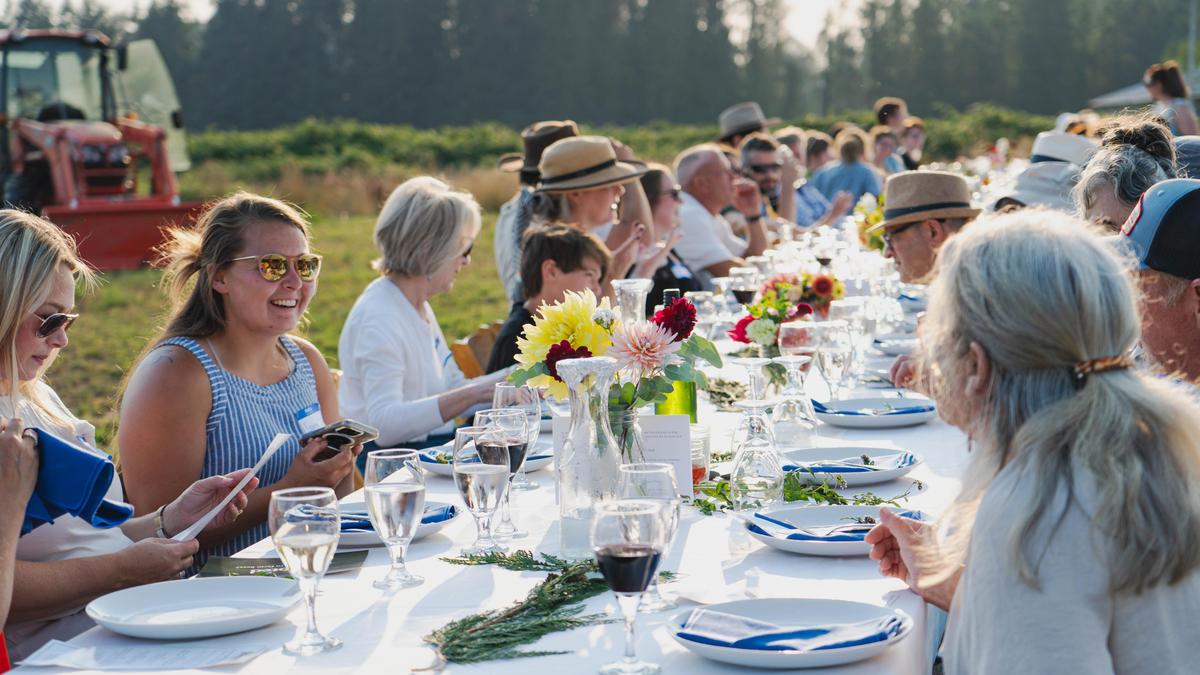
In some cities, "farm to table" is a marketing phrase slapped on a menu to justify higher prices. In the Lehigh Valley, it is a way of life that predates the trend by generations. The farmers were already here. The rich soil was already here. The chefs just had to look out the window.
The Land
The Lehigh Valley sits in one of the most productive agricultural corridors on the East Coast. The combination of fertile limestone soil, ample rainfall, and a temperate growing season makes this region ideal for everything from corn and soybeans to specialty greens, heritage tomatoes, and stone fruits.
More than fifteen tailgate farmers markets operate across the Valley during the growing season, connecting producers directly with consumers. The Easton Farmers' Market, which has been running since 1752, is the oldest continuous open air market in the nation. It alone hosts more than sixty vendors each Saturday.
The Rodale Connection
The Lehigh Valley has a unique claim in the farm to table conversation: the Rodale Institute, one of the pioneering organizations in organic agriculture research, is headquartered right here. Founded in 1947, Rodale has spent decades studying and promoting organic farming practices that are now mainstream.
The presence of Rodale has influenced the local farming community in ways both obvious and subtle. Organic and sustainable practices are more common among Lehigh Valley farms than in many other regions, and the knowledge base that Rodale has built over seventy five years has trickled down to growers throughout the area.
The Chefs
The farm to table movement in the Lehigh Valley is driven by chefs who have personal relationships with their suppliers. Lee Chizmar at Bolete sources from more than twenty five local farms. He knows the farmers by name. He visits the fields. He designs his menu around what the land is producing that week.
Curious Goods in Germansville takes a similar approach, with an ever changing menu built around ingredients from nearby farms like Red Cat Farm and The Good Farm. The restaurant's rural location puts it close to its sources, and the kitchen takes full advantage, adjusting the menu daily based on what arrives at the back door.
The Trolley Stop Diner in Easton proves that farm to table doesn't have to mean expensive. This made from scratch diner uses local farm ingredients to prepare classic comfort food at prices that won't empty your wallet. Home fries made with local potatoes, eggs from nearby henhouses, and bacon from regional smokehouses elevate simple diner food into something genuinely special.
The Markets
Beyond the Easton Farmers' Market, the Valley supports a network of seasonal markets, farm stands, and CSA programs that make it easy for residents to buy directly from producers. The Emmaus Farmers' Market, Allentown Fairgrounds Farmers' Market, and numerous roadside stands throughout Northampton and Lehigh counties keep the supply chain short and the produce fresh.
Many farms offer CSA memberships, where families pay a seasonal fee and receive weekly boxes of whatever is in harvest. It's a model that provides farmers with predictable income and gives families access to produce that was picked hours, not days, before it reaches their kitchen.
Why It's Different Here
What separates the Lehigh Valley's farm to table scene from trendier markets in bigger cities is authenticity. This isn't a movement that was imported by food media and lifestyle brands. The farms were here first. The relationships between growers and cooks developed naturally over decades. The food system is local because the Valley's geography and agricultural heritage make it local by default.
When a chef in the Lehigh Valley says the vegetables came from a farm down the road, they mean it literally. You can drive to that farm. You can meet the farmer. You can see the field where your dinner grew.
That's not a trend. That's a tradition.