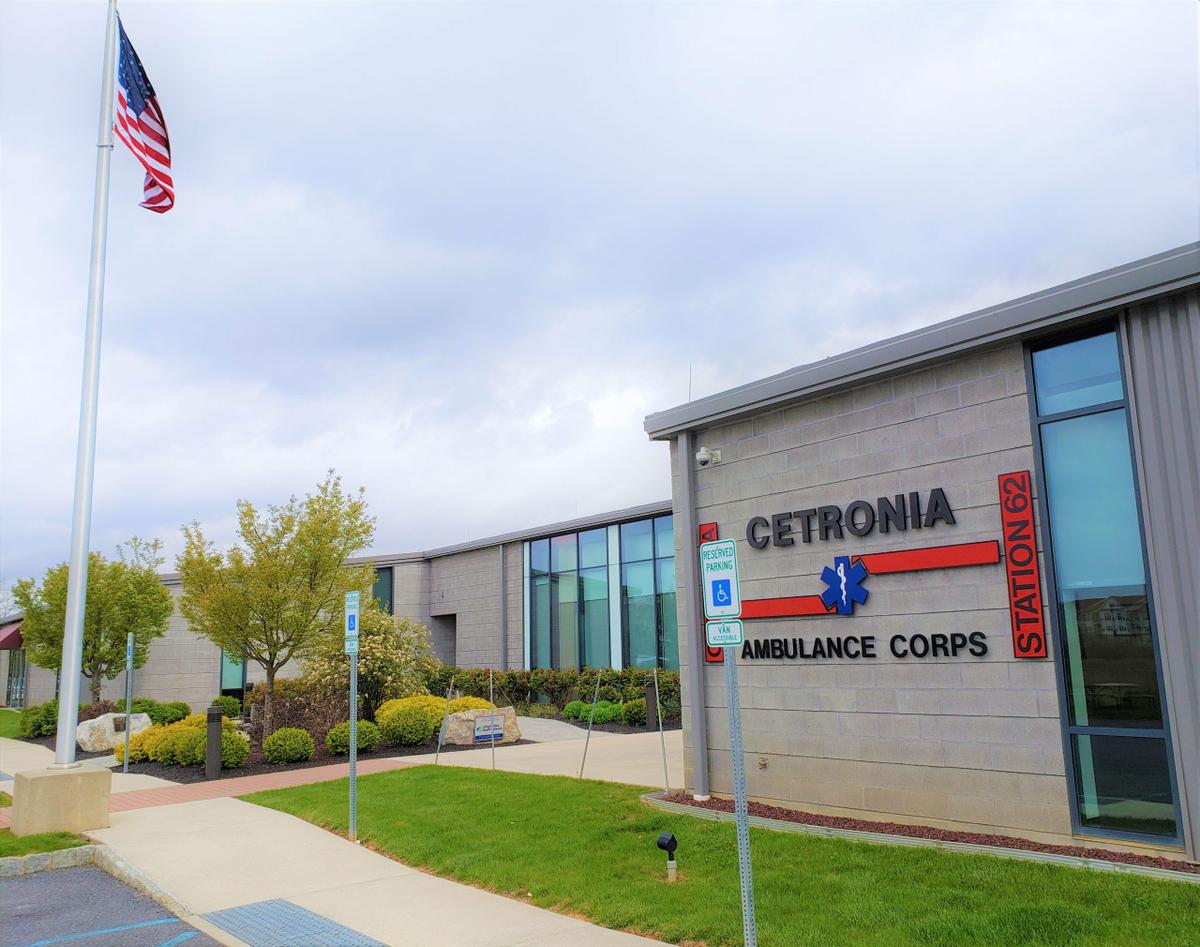
In 1955, the village of Cetronia was a small community on the outskirts of Allentown. Eight volunteers looked around, recognized that their neighbors needed reliable emergency medical transport, and decided to do something about it. They formed the Cetronia Ambulance Corps. Nearly seven decades later, that corps has grown into one of the largest ambulance providers in eastern Pennsylvania, with nearly 125 full and part time staff, a fleet of 41 vehicles including 19 ambulances and 20 para transit vehicles, and an annual response volume that exceeds 41,000 calls.
Growth Born from Need
The growth of Cetronia Ambulance Corps mirrors the growth of the Lehigh Valley itself. As communities expanded westward from Allentown, the need for reliable emergency medical services grew with them. Cetronia evolved from a handful of volunteers with a single ambulance into a professional operation serving Lynn, South Whitehall, Upper Macungie, Weisenberg, and Whitehall townships, plus portions of Lowhill, Salisbury, Greenwich, and Albany townships and the Borough of Coplay.
That coverage area represents a massive swath of the western Lehigh Valley, including some of the region's most rapidly growing communities. When a family in Upper Macungie calls 911 for a medical emergency, there is a very good chance that a Cetronia unit is the one that arrives. That reliability is not accidental. It is the product of decades of investment in training, equipment, and operational planning.
The Backbone of Emergency Response
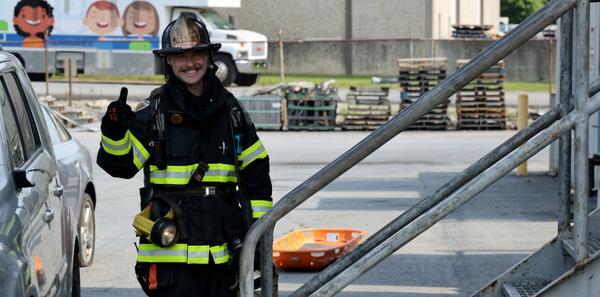
Most people do not think about ambulance service until they need it. But EMS providers like Cetronia are the backbone of the emergency response system. They are the bridge between the moment of crisis and the hospital. The care provided in those critical minutes between the 911 call and the emergency room door often determines outcomes. Cetronia's paramedics and EMTs provide that care every single day, around the clock, 365 days a year.
The corps also provides para transit services for residents who need medical transportation for non emergency appointments. That service is less dramatic than a lights and sirens response, but for elderly and disabled residents who rely on it to get to dialysis, chemotherapy, or routine medical visits, it is equally essential.
Volunteers to Professionals
The transition from an all volunteer operation to a professional corps with career staff reflects a broader trend in EMS across Pennsylvania. Volunteer recruitment has become increasingly difficult as the demands of the job have grown and the time commitments have expanded. Cetronia adapted by professionalizing while maintaining the community spirit that defined its founding. The organization still operates as a community resource, participating in local events, providing public education, and maintaining a visible presence in the neighborhoods it serves.
In 2025, Cetronia celebrated its 70th anniversary. Seven decades of answering calls. Seven decades of showing up when people are at their most vulnerable. What started with eight volunteers in a tiny village has become an institution that the western Lehigh Valley depends on every single day. That kind of sustained service, built one call at a time, is the very definition of hometown heroism.